I didn’t hit rock bottom – I just wanted more from my life than alcohol
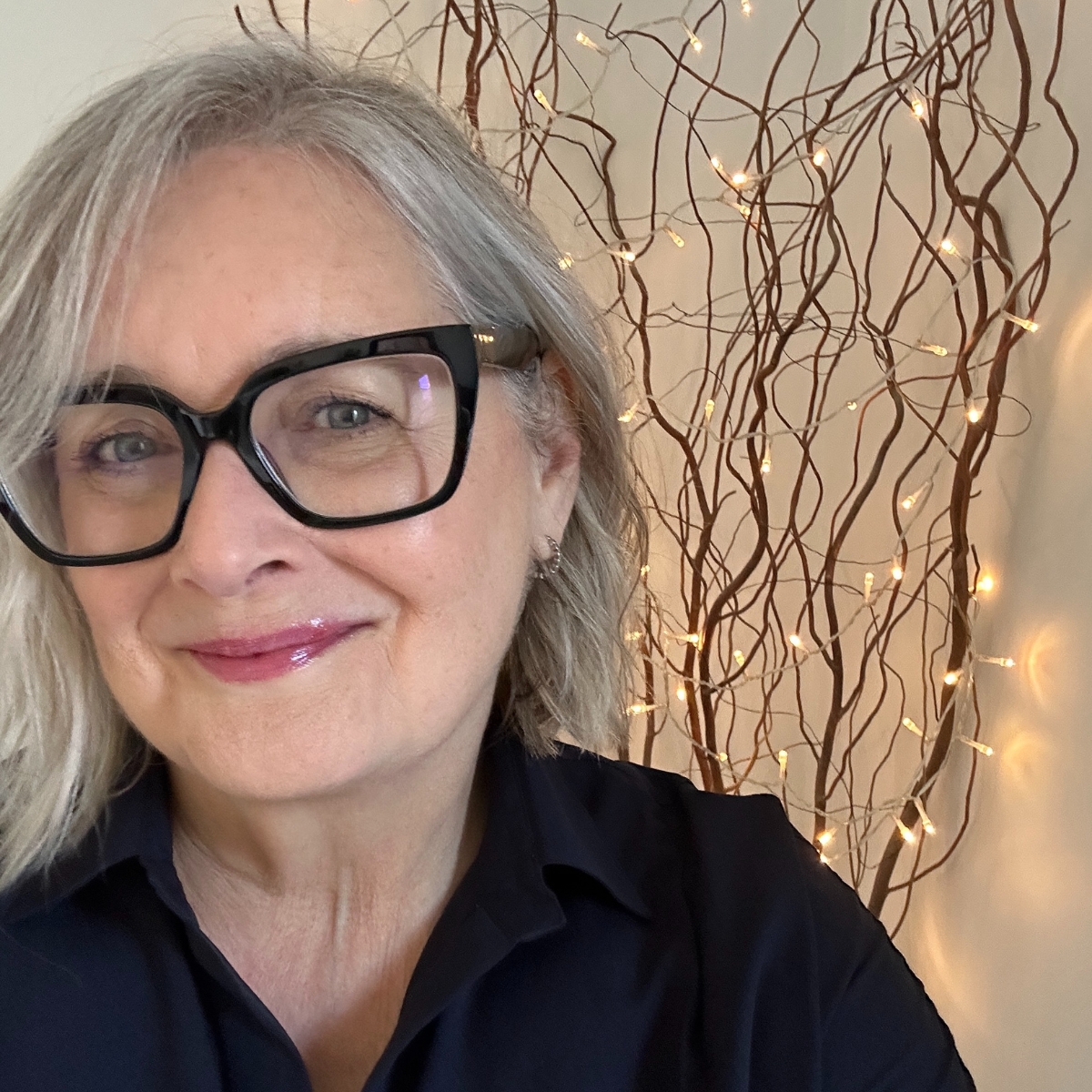
By Jules Rutherford
North East Writer and Sober Coach
In 2017, at the age of 54, I stopped drinking on a, mostly, daily basis. Whilst I adore my sober life, I honestly wish I had stopped earlier because the changes I have experienced over the years have been transformational.
I started drinking at 13 (it horrifies me when I think about my own children at that age) – but in those final two decades, I often wondered over the years whether I was an alcoholic. It wasn’t until some time after I had stopped drinking that I discovered the term ‘grey-area drinker’. I’m not a big fan of labels but I wish I had found that years before I actually stopped, as I think I would have given up a great deal earlier.
I assumed people only stopped drinking when something dramatic happened. A health scare. A lost job. A relationship crisis. The kind of story you see in documentaries or hear shared bravely on recovery platforms. I had enormous respect for those stories — but I didn’t see myself in them.
From the outside, at that stage of my life, my life looked perfectly functional. I was teaching English in Spain, paid my bills, showed up for people, and broadly did what responsible adults are supposed to do. There were no flashing red lights, no interventions, no cinematic rock-bottom moments.
This had always been my reality. Earlier in my career, I had worked as an IT Manager and looked like I was holding everything together, and I had worked as a consultant and experienced moments of real pride at my insights.
But there was a quieter reality running underneath the over-applied make-up, blow-dry, and shoulder pads. I was always tired, sometimes my decisions were not that great, and it made me wonder whether my better ones had been flukes. I always had this sense that I was capable of more but honestly, I couldn’t always identify what that ‘more’ should be. I just always felt that I was winging it.
None of this was catastrophic. Just a growing suspicion that I might function better without alcohol than with it.
Alcohol was normal in my world — socially, culturally, professionally. A glass of wine after work wasn’t seen as problematic; if anything, it was considered a well-earned reward. And to be fair, for many years I treated it as just that.
But somewhere along the line, the balance shifted. What had once felt relaxing began to feel slightly depleting. What had once helped me switch off started leaving a faint residue the next day — not always a hangover in the dramatic sense, more a subtle dulling. The kind you can power through, but which never quite lets you operate at full capacity.
Then there were the low days where I would stay in the apartment, load up on crisps and alcohol, feel sorry for myself, and curse all the personal development I had done because it obviously hadn’t worked.
The day I decided to stop didn’t arrive with any kind of rock-bottom. It was more of a ‘I’m done’ decision. I had the kind of feeling I had felt before when I had ended the toxic relationship or the unnecessarily stressful job – I’m done. I didn’t really care about what followed or the consequences of my decision – it just needed to be made.
What I experienced blew me away. Even as early as 10 days, my thinking sharpened. Sleep improved. Decision-making became clearer, balanced and more confident. I realised how much mental energy I’d previously spent negotiating with alcohol — whether to have a drink, how much, how I’d feel afterwards, whether it would affect tomorrow. Removing that negotiation freed up an astonishing amount of headspace.
Professionally, the difference was subtle but powerful. Work felt easier. Concentration deepened. I trusted my own judgement more readily. And perhaps most importantly, I felt so much calmer in my own skin. Not euphoric, not magically transformed — just clearer and steadier.
That steadiness has been one of the greatest things that sobriety has gifted me. Life still contains stress, uncertainty, and the occasional questionable decision (I remain gloriously, messily human). But there’s a clarity now that wasn’t consistently there before.
And here’s the thing I wish more people understood: none of this required hitting rock bottom first.
There was no crisis that forced my hand. No dramatic moment where I had to choose between alcohol and everything else. There was simply a growing awareness that I wanted more from my life than alcohol was allowing me to live.
More clarity. More energy. More presence. More ease in decision-making. More self-trust.
The more time I spent sober, the happier I became. I’ve always kept a journal and I started gaining real insights from my scribbles and when inspiration didn’t quite strike I would start out with ‘What’s the most loving thing you can do for yourself today, Jules?’ It was never to drink and always to choose something good for myself – rest, good food, fresh air.
I’ve since spoken with many women who recognise that same turning point. They’re not falling apart. Other people might not see them as heavy drinkers. They’re simply noticing that alcohol isn’t adding what it once did and is definitely subtracting more than they realised.
That realisation can be surprisingly difficult to honour, precisely because it lacks drama. Without a clear “problem,” it can feel indulgent or unnecessary to change. Many of the women I’ve worked with often believe they need ‘a moment’ or a sentence that will make all of the difference. However, choosing our wellbeing doesn’t have to deteriorate dramatically before we’re allowed to improve it.
Sometimes wanting to feel better is reason enough.
If there’s one perspective that has guided me consistently, it’s returning to that simple question: what is the most loving thing I can do? Not the most disciplined. Not the most socially acceptable. Just the most loving.
For me, that question led to an alcohol-free life that feels calmer, clearer, and far more aligned with who I am now and deep down, who I always believed I was. I know there is a vast spectrum of ways to have alcohol in your life – for me – choosing its absence has been the most liberating decision I have ever made for myself.
You don’t have to wait for things to get bad enough. You don’t have to earn the right to feel better. And you certainly don’t have to hit rock bottom before choosing what supports your wellbeing.
Sometimes the most loving thing is simply paying attention — and giving yourself permission to be kind and patient with yourself at every turn.
. . .
Jules Rutherford is a writer and sober coach who supports midlife women in rethinking their relationship with alcohol with compassion and honesty. She has been alcohol-free since 2017 and writes about wellbeing, self-trust, and creating a life that feels clearer and more aligned. She lives in Northumberland. www.julesrutherford.com