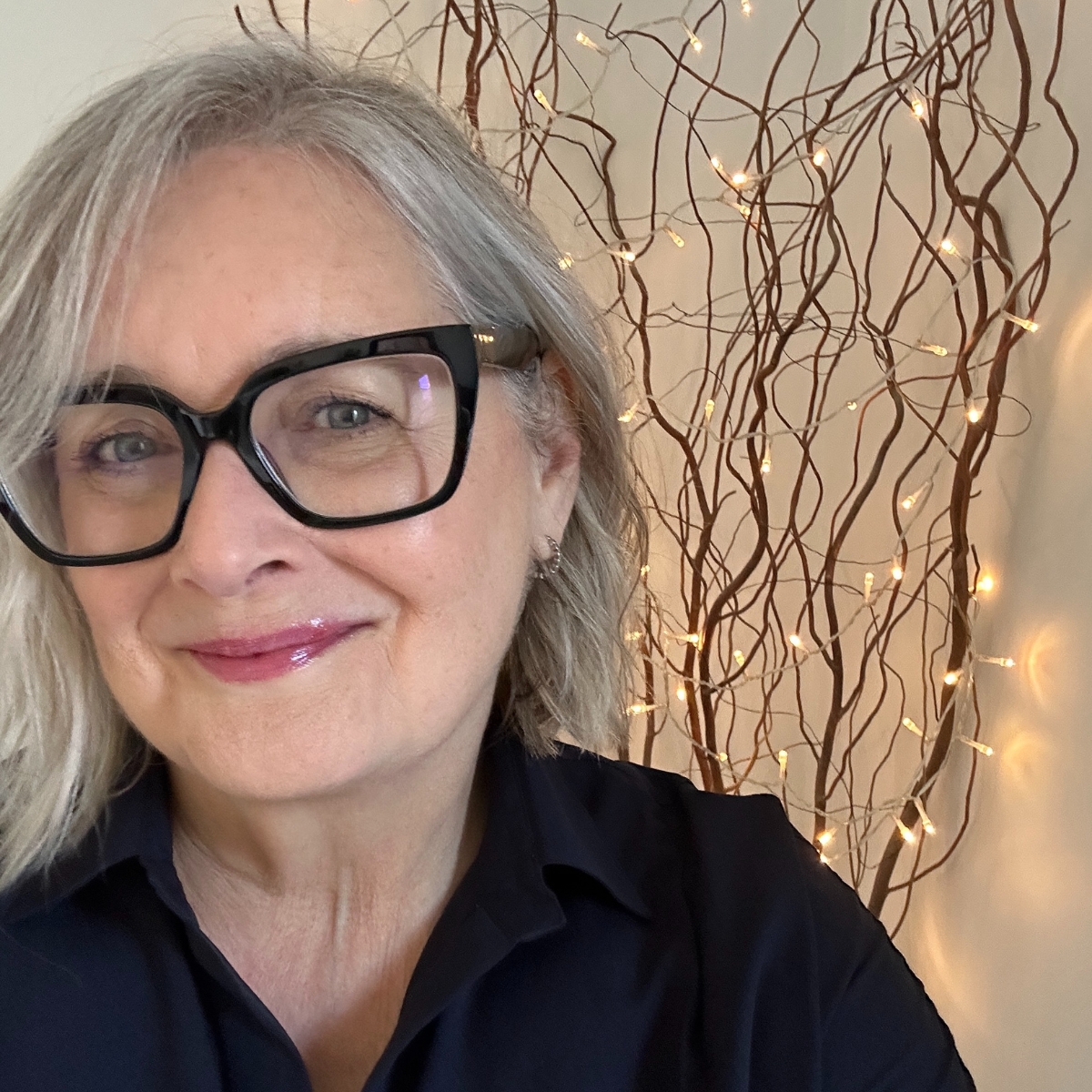
Samantha’s Story
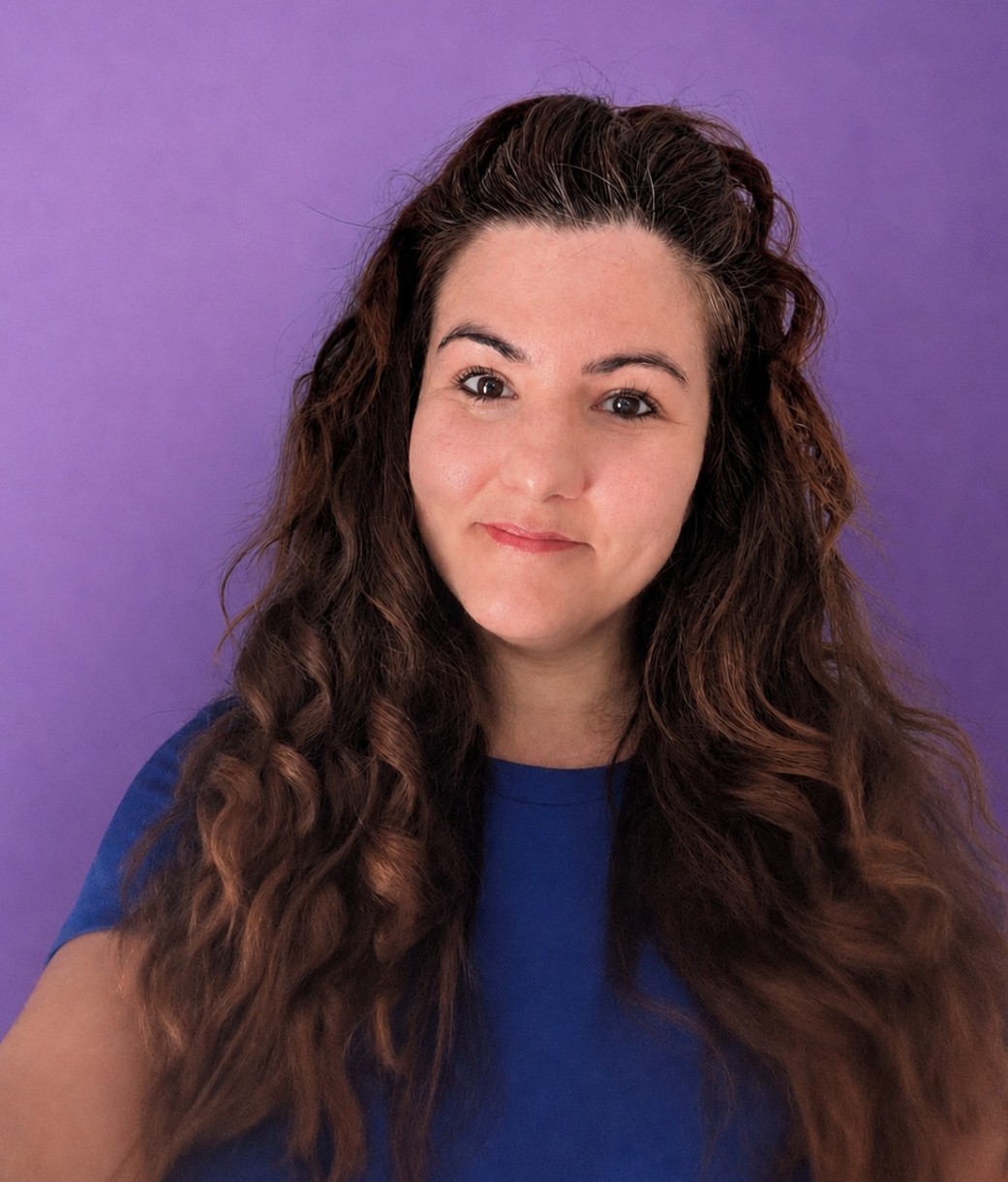
“One person can start a conversation. One person can create change.”
Alcohol nearly cost me my life. Recovery gave me a future, and that's why I believe people should always have the choice to opt in, not be automatically opted in.
When Samantha Morgan opened a food delivery, she expected to find ingredients for dinner.
Instead, she found something she had never asked for: a can of cider.
For many people, it might seem insignificant. For Samantha, it was anything but.
What followed turned a single unexpected delivery into a national conversation about alcohol, consent, recovery and why people who do not drink are so often overlooked.
Samantha is a mum, impact and inclusion consultant, speaker and founder of the NOT EVERYONE DRINKS campaign. She is also a late-diagnosed autistic and ADHD woman who has rebuilt her life after alcohol nearly cost her everything.
“Everything I have today was built in recovery,” she says.
“I went back to university, earned a degree I never thought I deserved, built a career I love and have recently been accepted to study at the University of Cambridge.
“Alcohol nearly cost me my life. Recovery gave me a future.”
That is why discovering a can of cider hidden amongst a meal delivery came as such a shock.
The alcohol had arrived without warning, without consent and without age verification.
“No one checked whether alcohol was welcome in my home,” Samantha says.
“It was simply sent.”
When she contacted the company involved, she was told the cider was a promotional gift and that customers were automatically opted into sampling campaigns.
Rather than leaving the matter there, Samantha decided to share her experience publicly.
The response was immediate.
“Hundreds of people began sharing their own experiences,” she says.
People in recovery got in touch, but so did parents, foster carers, safeguarding professionals, people from faith communities and others who simply choose not to drink.
Many described receiving alcohol through promotional offers, workplace gift baskets, hampers, hotel welcome packs and home deliveries.
A common theme quickly emerged: many felt overlooked.
For Samantha, the issue is much bigger than one delivery or one company.
“It’s about a culture where alcohol is often treated as the default,” she says.
“Not everyone wants alcohol in their home. Not everyone drinks and not everyone can safely be around alcohol.
“People may be in recovery. They may have health, religious, cultural or personal reasons for choosing not to drink.
“Nobody should have alcohol entering their home unless they have actively opted in.”
Samantha is keen to stress that her campaign is not about telling people whether they should drink.
“The issue is not alcohol itself. The issue is consent,” she says.
“People who drink deserve respect and people who don’t drink deserve the same respect.”
What began as a complaint soon became something much bigger.
The campaign went viral, attracting national media attention and support from charities, recovery organisations and alcohol harm advocates. Hundreds of people shared their own experiences and perspectives.
The attention ultimately led to the company ending the alcohol sampling activity that had sparked the campaign.
“It showed me that one person really can make a difference,” Samantha says.
Not every avenue produced the result she hoped for. Complaints to Trading Standards and the Advertising Standards Authority did not lead to the outcomes she expected.
Despite this, the conversation continued to grow.
Samantha launched the NOT EVERYONE DRINKS Podcast, creating a space for honest conversations about alcohol, recovery, inclusion and the many reasons people choose not to drink.
Academics, healthcare professionals, campaigners, researchers and people with lived experience have all contacted her wanting to take part.
“I’ve never had to invite anyone,” she says.
“People keep reaching out because they want to have these conversations. That has been incredibly humbling.”
At the heart of Samantha’s campaign is a simple belief: organisations should think carefully about the impact of alcohol promotions and recognise that a significant proportion of the population does not drink.
For Samantha, the most important outcome has not been the headlines.
Instead, it has been hearing from people who felt recognised for the first time.
“I’ve heard from people in recovery, people who have lost loved ones and people who simply don’t drink and are tired of being treated as though they are unusual,” she says.
“I think what happened showed that many people have been waiting for this conversation.”
Looking back, Samantha never expected that finding a single can of cider in a food delivery box would spark a national debate.
More than anything, she hopes her experience empowers others to speak up when something does not feel right.
“I want people to know that their voice matters,” she says.
“Companies cannot simply treat people as faceless consumers and assume everyone has the same relationship with alcohol.
“If something isn’t right, don’t assume you have to accept it. One person can start a conversation. One person can create change.”
“I never imagined any of this would happen, but it all started because I decided to speak up.”
“Not everyone drinks. And that’s something society needs to recognise.”
Find out more
🔗 NOT EVERYONE DRINKS campaign: https://idinclusion.org/not-everyone-drinks/
🎙️ NOT EVERYONE DRINKS Podcast: https://open.spotify.com/show/1yRs0NF3xyyOIFeipizjjh
📺 ID Inclusion YouTube channel: https://www.youtube.com/@IDInclusion
📱 Instagram: https://www.instagram.com/not.everyone.drinks/