Cheryl’s story: “Alcohol became my way of coping”
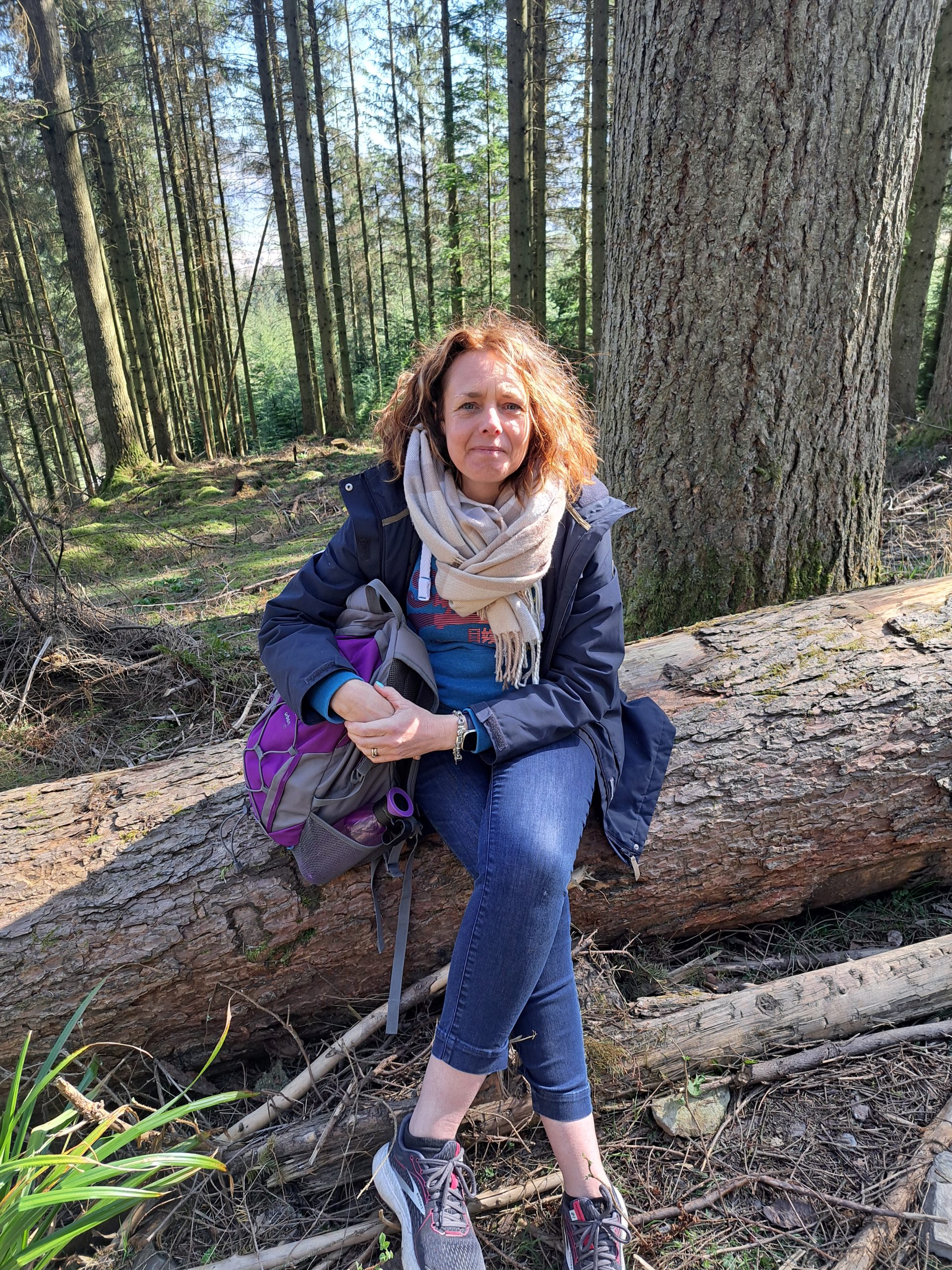
Cheryl from Sunderland is spending more time on hobbies than ever before. She has a successful career, spends time at yoga and at the gym and unwinds with reading. These are all things that she didn’t have time for a few years ago when alcohol took up a lot of her time.
For Cheryl, drinking alcohol was part of growing up. Like many teenagers, drinking was about fitting in and something to do on the weekend.
She said: “I’d go to parks, discos and pubs after school, because that’s what lots of my friends did. I had a part-time job so I could afford it and the fact that alcohol was all around us in corner shops and supermarkets made it feel like it was just normal.”
When Cheryl moved to Newcastle to study law at Northumbria University, her relationship with alcohol started to change.
“University was stressful. There were exams, coursework and constant pressure, and alcohol became my way of coping with it.
“At the time, it felt like there were a lot of opportunities to party in Newcastle. Going out drinking wasn’t something I occasionally did, I used to go out all the time when I wasn’t studying.
“Looking back, that’s when I started to use alcohol as a way to cope rather than a way to socialise.”
After university Cheryl got a job and her routine changed, but one thing remained a constant – alcohol.
“Once I started working, I couldn’t drink heavily during the week, so weekends became bigger blowouts instead.
“Then I started having a glass of wine or a beer after work because I’d had a stressful day. The university stress had gone, but I’d always find another reason to have a drink.
“Alcohol became my way of relaxing. Whatever was happening in life – a deadline, a bad day, stress – alcohol felt like the answer.”

For years, Cheryl knew alcohol was affecting her health. She was aware of some of the risks alcohol could cause but wasn’t sure how to change her lifestyle.
“Around 20 years ago I woke up in the middle of the night with pain in my side wondering if my liver was packing in.
“I knew I was drinking too much. It was pretty much every day, and I could never just have one. I didn’t have much time for anything else – work, family, and alcohol.
“I could always do Dry January, but I’d spend the whole month counting down until it was over. The minute February arrived, I’d be straight back to the same habits.
“It was almost like if I could stop for a month then I didn’t have a problem. Looking back, it was a false sense of security. I could never have one drink.”
Cheryl turned her life around and everything changed almost three years ago.
“The moment I knew I had to stop was when I was being sick on a random Sunday night. I remember thinking ‘This has to stop’.
“That wasn’t the first warning sign, but it was the moment I finally listened to myself.
“The first year was really hard. I had to completely change my life because so much of it revolved around alcohol.
“It’s a bit like getting fit. At first it feels impossible because everything has to change, but after a while you realise how much better you feel and that you never want to go back.”
Since stopping, Cheryl has become much more aware of how normalised alcohol has become.
“When you’re drinking you don’t really notice it. When you stop, you suddenly realise alcohol is everywhere.
“It’s advertised as glamorous, especially for women. Bottomless brunches, cocktails, wine nights – it’s constantly around.
“It’s even in our conversations. If you tell someone you’ve had a bad day, their first response is often, ‘Have a glass of wine’.”
“You’re not given much choice. Sometimes a lime and soda costs more than a happy hour pint. What are people expected to choose?”
Giving up alcohol also influenced those closest to Cheryl.
“My husband has cut down a lot too. He’ll often choose an alcohol-free drink instead of alcohol.
“We spend more time together making proper memories where we’re both fully present. And it’s the same with the rest of my family. I used to be the one encouraging everyone to have another glass of wine with dinner. Now we’ll often spend whole days together without alcohol and no one feels like they’re missing out.”
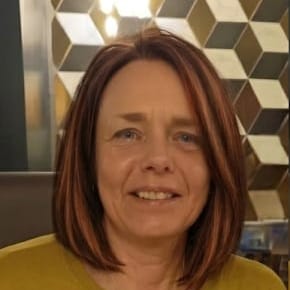
Cheryl believes more could be done to help people make healthier choices.
“I’d like the government to think about how much alcohol costs the NHS and other public services. Without this, our services might not be under such strain.
“Alcohol free drinks should be more affordable and really cheap supermarket alcohol should be harder to buy.
“Pubs are part of our communities. The bigger problem is the amount of cheap alcohol people can buy and drink at home. It’s very concerning.”
For anyone thinking about changing their relationship with alcohol, Cheryl has one message.
“Reading other people’s stories made a huge difference to me. It helped me realise that I wasn’t the only person who felt like this. You’re not alone, even though it can feel like you are.
“Don’t try to fix everything in your life all at once. Just focus on drinking less today – everything else can come afterwards.
“Giving up alcohol is the best decision I’ve made. I feel so much happier now.”