Paul’s story

“Alcohol took almost everything that mattered to me. Recovery gave me something far greater back: the chance to be the dad, husband and son my family deserve.”
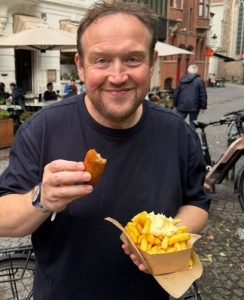
Paul from Sunderland is 47 and had what many people would describe as a successful life. He built his career in broadcasting, worked for national media organisations, ran his own business, got married and became a father. From the outside, everything looked like it was falling into place.
Behind the scenes, though, alcohol was becoming the most important thing in his life.
Looking back now, more than ten years after his last drink, Paul says he was probably always drinking differently to the people around him.
At university, where he studied journalism, he became known as the biggest drinker on the course. At the time, he saw it as a badge of honour.
“I thought it was part of who I was. I was good in front of a microphone, good at my job and the biggest drinker too.”
As his career progressed, so did his drinking. He worked hard, drank hard and convinced himself that because he was still functioning, everything was fine. When colleagues noticed, he laughed it off. When warning signs appeared, he ignored them.
“I thought I was invincible. Getting away with it just encouraged me to do more.”
Over time, alcohol began to take more and more from him. It cost him opportunities. It damaged relationships. It contributed to the breakdown of his marriage and nearly cost him his relationship with his son.
He lost friendships, his driving licence and, at times, his self-respect.
Yet even then, he couldn’t stop.
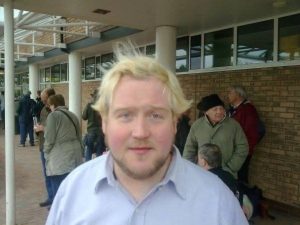
Like many people who struggle with alcohol, Paul told himself he could quit whenever he wanted. He would stop for days or weeks at a time, only to find himself drinking again.
“I knew I had a problem, but I didn’t know how to make better decisions.”
As life unravelled, he found himself back living with his parents, trying to hold together freelance work and a drinking addiction that was becoming increasingly destructive. There wasn’t one dramatic rock bottom moment. There were many. Losing his first marriage.
Losing the business he had worked so hard to build. The impact on his family. Hospital visits. The worry and fear he caused the people who loved him most.
None of it was enough to make him stop.
Then one day, after a humiliating incident while working away from home, he realised he had let down someone who genuinely trusted and believed in him.
On the train back to Durham, exhausted and broken, he finally admitted the truth.
“I rang a friend in tears and said: ‘I need to stop.'”
That phone call changed everything.
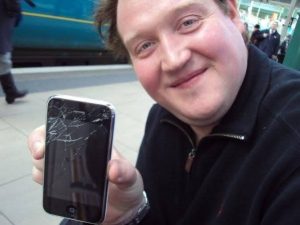
A few months later, Paul entered residential rehabilitation. It was one of the hardest experiences of his life, forcing him to confront not only his drinking but also the stories he had been telling himself for years.
“It demanded complete honesty. I’d always been good at believing my own excuses.”
Recovery didn’t happen overnight. In fact, it wasn’t a straight line at all. Although rehab gave him the tools he needed, he drank again after leaving.
At the time he felt ashamed, frightened and disappointed. Today, he sees things differently.
“Failure doesn’t have to be permanent. In fact, it rarely is.”
He kept going. He attended support meetings. He focused on recovery one day at a time. Slowly, life started to change.
On 26 June 2016, Paul had his last drink.
Ten years later, he says the biggest rewards of being alcohol-free have nothing to do with career success or material things.
“My life now is unrecognisable from the one I had when I was drinking.”
There have been holidays, a new home and happy family milestones along the way. But the things he values most are far simpler.
“The best version of life is the one that’s full of love, cuddles, laughter, nappies and sheer joy.”
Today he is a proud dad to two sons. He is present in their lives in a way he never could have been when alcohol was in control. His teenage son is thriving. His toddler keeps him busy all day every day, exhausted and grateful in equal measure.
He is also able to be there for his parents, who stood by him through his darkest days.
“As a parent now myself, I understand what they went through. Being able to support them means the world to me.”
At the centre of everything is his wife, Nicola, whom he met during his recovery.
“When we first met, I was an unemployed recovering alcoholic living with my Mam and Dad. She took my hand then and made my world so much better, and she still does every day.”
When Paul talks about recovery, he doesn’t focus on the years. He focuses on today.
“I haven’t had a drink today. I’ll focus on tomorrow when it arrives.”
His message to anyone worried about their drinking creeping on up them is full of hope.
You don’t have to hit rock bottom before asking for help. You don’t need all the answers. And if you’ve tried to stop before and found yourself drinking again, that doesn’t mean you’ve failed.
“The only real failure is giving up.”
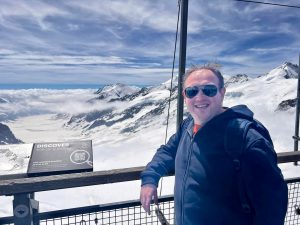
For Paul, recovery wasn’t about becoming perfect. It was about becoming present. Honest. Reliable. Someone his family could trust.
“The people who want to rely on me now know they can.”
He describes himself today as the happiest he has ever been. Not because life is perfect, but because he is fully present for it.
“I can only work with what I’ve got. Some things are out of my control. But I can choose how I respond. The most important thing I do every day is wake up sober.”
If you’re thinking about cutting down, taking a break from alcohol or stopping altogether, Paul’s story is proof that change is possible.
The first step doesn’t have to be dramatic. It just has to be taken.
Find support, advice and practical tools to help you take that next step at ReduceMyRisk.tv.